
When people wonder what a guided trip to Lapland is like, they’re usually not just thinking about the organizational details. They’re often asking something else: What’s it like to travel to the far north in a small group or on your own, without being forced to follow a rigid tourist itinerary? That’s exactly where the difference lies. A good trip to Lapland doesn’t start at the airport, but long before that—with the right questions, honest advice, and an itinerary that leaves room for nature, the weather, and authentic experiences. Many of our guests have never been to Lapland before. Most ask the same question: How much is planned, and how much freedom is there? After more than 8 years in Lapland, I’ve found that it’s precisely this mix of structure and freedom that makes all the difference.
What is the process for a guided tour of Lapland—even before departure?
It usually doesn’t start with an anonymous click to book a trip, but rather with a conversation. Anyone who deliberately travels to Lapland often already has images in their mind: snow-covered forests, snow crunching under their boots, perhaps the Northern Lights over a frozen lake. At the same time, very practical questions arise. When is the best time to go? Is a winter trip the right choice, or is the short, intense northern summer better? Do you want to be active, or would you prefer a more relaxed mix of nature, saunas, and short excursions?
On a guided tour, exactly that is clarified in advance—not as a sales pitch, but as part of the travel experience. After all, Lapland isn’t a destination you just consume on the side. Anyone coming here should know whether they want to snowshoe through the forest, go on a husky tour, or would prefer to travel with a bit more comfort and less physical exertion. That’s why good tour operators tailor the itinerary to the group, the season, and the participants’ expectations.
This also includes preparation. You’ll learn what clothing is truly practical, how cold it can get, what’s provided on-site, and how much activity is realistic on each day. That’s exactly what gives many travelers a sense of security—not because Lapland is dangerous, but because it’s authentic and straightforward. And that’s exactly what should make you feel good.
Travel and Arrival: Take a moment to relax
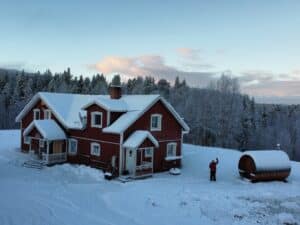
The journey itself often begins with your arrival in Swedish Lapland. Even during those last few kilometers, something starts to change. The roads grow quieter, the sky seems more expansive, and there are fewer sounds. Instead of the pressure of deadlines, a sense of calm sets in. This transition is an important part of the journey.
On a guided tour of Lapland, the arrival is usually intentionally relaxed. No frantic gathering of people, no large group with a jumble of name tags. Instead, a quiet welcome, a transfer to your lodging, and perhaps your first glimpse of snow-covered trees or the river behind the house. Those coming from the hustle and bustle of everyday life often need a moment before the vastness truly sinks in.
Accommodations also play a big role. In Lapland, it’s not just about having a place to sleep. It makes a difference whether you stay in a cozy lodge, a small vacation home, or a secluded cabin in the middle of nature. Small, charming accommodations are usually a better fit for a guided nature tour than standardized hotel complexes. They help you immerse yourself more quickly in that special Nordic tranquility.
The pace of life here is different
Many people traveling to the North for the first time expect a packed itinerary: activities in the morning, at noon, and in the evening. But a well-guided trip to Lapland usually works differently. It has structure, but no artificial pace. The weather, the lighting conditions, and the group’s energy all play a role.
A typical day might start with a leisurely breakfast before heading out—perhaps for a snowshoe hike, a husky tour, ice fishing, or a nature walk through the winter forest. In the summer, it’s more about hikes, canoe trips, or excursions to more remote areas. We make sure to leave some breathing room in between. For a cup of coffee with a view of the river. For the sauna. Or simply to stand outside and realize that for minutes now, you’ve heard nothing but the wind and the snow.
That, in particular, comes as a surprise to many. Being guided doesn’t mean having your decisions dictated by others. It means that someone on the ground sets the parameters, knows the region, and uses their experience to judge what really makes sense on that particular day. If an excursion is postponed due to the weather, that’s not a flaw—it’s often a sign of quality. Lapland can’t be bossed around. You experience this landscape better when you go with it rather than against it.
What Really Makes a Guide
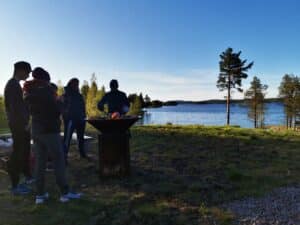
The biggest difference between a guided trip to Lapland and a self-organized one is rarely just a matter of logistics. It lies in the depth of the experience. A guide who lives in Lapland doesn’t just show you the way. He reads the tracks, explains the light, weather, and seasons, knows quiet spots, and knows when a plan should be adjusted.
This noticeably changes the journey. A beautiful backdrop becomes a landscape you begin to understand. Why the snow sounds different here. Why winter, while it can be harsh, also has a soothing quality. Where you have a good chance of seeing the Northern Lights—and why it’s still never a show you can call up at will.
This personalized guidance is especially important for people who aren’t looking for a mass-tour experience. Smaller groups create a more relaxed atmosphere. You don’t have to wait for twenty other people, you aren’t rushed through a rigid daily schedule, and you can ask questions that often get lost in large group tours. This not only makes the trip more enjoyable, but often more meaningful as well.
What exactly does a guided winter tour of Lapland involve?
In winter, Lapland is clear, quiet, and often breathtakingly beautiful. At the same time, this season requires a bit more preparation. This includes warm clothing, the right layering system, and a realistic approach to the cold. Well-organized guided tours take care of most of these challenges for you, because you’ll know exactly what you need and what will be provided in advance.
Once there, the schedule usually follows a nice balance of activity and relaxation. A day on a dog sled feels different from a snowshoe hike through a forest blanketed in deep snow. Ice fishing has a rhythm all its own—almost meditative. And then there are those evenings when, with a little luck, you stand under the open sky and watch it turn green.
It’s important to note that not every winter trip is equally active. Some itineraries are deliberately active, while others focus more on enjoying nature, short walks, and special moments. If you’re wondering whether a guided trip is right for your fitness level, you should discuss this in detail. Reputable tour operators will be upfront about what’s realistic and what isn’t.
In the summer, Lapland shows a different side
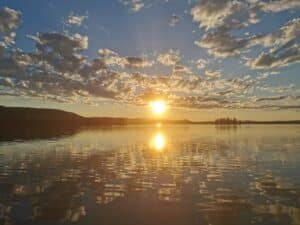
When people think of Lapland, many first think of the Northern Lights and snow. Summer is often underestimated. Yet for many visitors, it’s almost even more impressive, because the landscape feels more open and the days seem to go on forever. Rivers, marshes, birch forests, and mountain regions reveal a quiet, expansive side of the North that’s experienced quite differently in winter.
A guided summer trip is often more active, but not more hectic. You’re out and about, hiking, paddling, or exploring the region on remote trails. Depending on the time of year and the area, insects can be an issue, as can changeable weather. Here, too, a good guide makes all the difference by adjusting the route, pace, and daily schedule as needed.
Those who want to experience Swedish Lapland not as a photo opportunity but as a genuine natural environment will benefit especially from local expertise in the summer. It’s especially off the beaten path that you realize just how valuable small groups and personalized planning are.
The right balance lies between adventure and comfort
Before booking, many people ask themselves the same question: Is a guided tour of Lapland more rugged or more comfortable? The honest answer is: It depends. And that’s exactly why it’s great.
Some trips offer a strong sense of adventure but a warm place to retreat to in the evening. Others venture deeper into the wilderness and require a greater willingness to embrace simplicity. Even unique experiences like a helicopter drop-off tour aren’t about hardship for hardship’s sake, but rather about a rare feeling: truly being out in nature, without it feeling artificially staged.
That’s why boutique tour operators like AntsInPants Tours don’t offer generic, cookie-cutter packages—instead, they provide experiences that are well-organized yet still personalized. This appeals to travelers who want to explore nature but don’t want to travel anonymously.
Who Would Benefit Most from a Guided Tour of Lapland
A guided tour of Lapland is especially well-suited for people who aren’t just looking to check off as many attractions as possible. It’s ideal for couples, friends, or small private groups who want to experience the landscape rather than just tick off items on an itinerary. Even first-time visitors to Lapland benefit from it, as it eliminates many uncertainties.
This type of trip is less suitable for those who need complete freedom during the day or want to travel as inexpensively as possible. Small groups, personalized guidance, and a good knowledge of the area are valuable. In return, however, you get something that’s hard to put into words in a travel brochure: the feeling that you’ve truly arrived.
Ultimately, a guided tour of Lapland doesn’t follow a rigid schedule. It begins with trust, gains depth as you explore the region, and often lingers in your memory for so long because there’s enough space between the activities to experience what really matters—the vastness, the silence, and that rare moment when you realize how little it takes to make a trip feel truly special.
Experience Lapland for Yourself
If you want to experience Lapland for yourself—not just read about it—you'll find here our current small-group tours.

Michael has lived in Swedish Lapland for many years and founded AntsInPants Tours to give guests an authentic experience of the region, far from mass tourism. He plans the trips himself and makes sure that nature, activities, accommodations, and the pace of the trip all come together harmoniously. As a guide, he leads many of the tours himself and shares his experiences, tips, and insights into everyday life in the North here.